
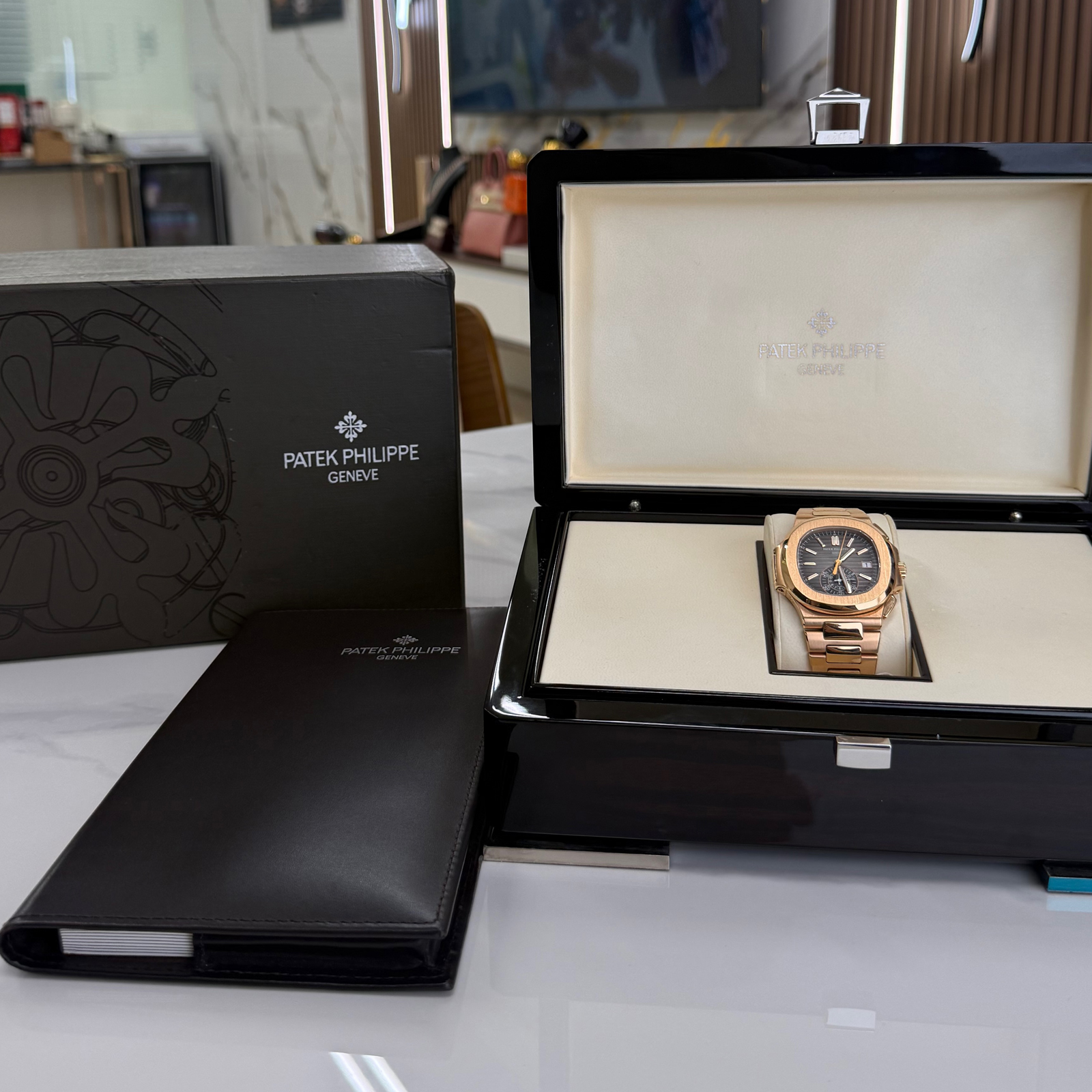
A luxury watch can be expensive without being collectible. For collectors, factors such as rarity, history, craftsmanship, originality, and long-term demand often matter more than the price tag alone. Certain timepieces become especially desirable because they represent an important moment in a brand’s history or are increasingly difficult to find.
For buyers exploring collectible luxury watches in Los Angeles, understanding what drives collectibility can make it easier to recognize a genuinely desirable timepiece. Whether you’re building your first collection or searching for a rare addition, knowing what to look for can help you buy with greater confidence.
What Does It Mean for a Luxury Watch to Be Collectible?
A collectible luxury watch is a timepiece that attracts interest beyond its basic function as a watch. Collectors value these pieces for qualities that make them historically significant, difficult to obtain, technically impressive, or particularly desirable within the watch community.
This is an important distinction because luxury, expensive, rare, and collectible are not interchangeable terms.
A watch may have a very high retail price but limited collector demand. Another model may have originally been relatively accessible but become highly sought-after after production ended. Collectibility develops from the combination of several characteristics rather than one simple measure.
Some of the qualities collectors commonly consider include:
- Rarity: How difficult is the watch to find?
- Demand: How many collectors actively want it?
- Heritage: Does it have an important place in its manufacturer’s history?
- Design: Is its appearance distinctive or historically influential?
- Craftsmanship: Does it demonstrate exceptional watchmaking?
- Originality: Does it retain its original components and configuration?
- Provenance: Does its ownership or production history add significance?
- Long-term appeal: Is interest likely to extend beyond a temporary trend?
The strongest collectible watches often combine several of these qualities.
For example, a discontinued reference from a prestigious manufacturer with limited production, distinctive design, excellent condition, and strong collector demand can become significantly more desirable than a newer model with a much higher original retail price.
Why Collectibility Matters to Los Angeles Watch Buyers
Los Angeles is home to a diverse community of luxury-watch enthusiasts, collectors, and buyers. That makes the city an interesting market for anyone looking to purchase a timepiece with long-term collector appeal.
For a first-time buyer, however, the size and variety of the market can also make it difficult to distinguish genuine collectibility from short-term hype.
Understanding the characteristics that collectors value allows you to look beyond a watch’s brand name or current popularity. Instead of asking only, “How much does this watch cost?” you can consider more meaningful questions:
- What makes this particular reference desirable?
- How many examples were produced?
- Is the model still in production?
- Does it have historical significance?
- How strong is current collector demand?
- Is the watch original and well preserved?
- How does its current price compare with similar examples?
These questions become particularly important when shopping for luxury watches in Los Angeles, where buyers may encounter everything from current-production models to vintage references and highly sought-after pre-owned pieces.
A reputable dealer can also help put those characteristics into context. Rather than evaluating a watch based solely on its asking price, an experienced professional can explain its condition, provenance, configuration, and position within the broader secondary market.
For buyers who are still learning the market, understanding the fundamentals of buying luxury watches in Los Angeles can provide a useful starting point before moving into more specialized collectible pieces.
Most importantly, collectibility should not replace personal preference. The best addition to a collection is usually a watch that has genuine appeal to you while also possessing characteristics that other collectors recognize and value.
What Makes a Luxury Watch Collectible?
While collectibility can be subjective, experienced collectors tend to evaluate several consistent characteristics. A watch doesn’t necessarily need to possess every one of them, but the more compelling qualities it combines, the more likely it is to attract sustained interest in the collector market.
1. Rarity and Limited Production
Scarcity is one of the most obvious characteristics associated with collectible watches, but rarity needs context.
A manufacturer may produce thousands of examples of a particular reference, while another may produce only a few hundred. Limited editions, discontinued models, special releases, and unusual configurations can therefore attract additional attention from collectors.
However, a low production number doesn’t automatically make a watch valuable. There needs to be genuine demand for the timepiece.
Collectors may be particularly interested in:
- Limited-production references
- Discontinued models
- Anniversary editions
- Rare dial configurations
- Unusual material combinations
- Region-specific releases
- Short production runs
A watch that combines scarcity with strong design, brand heritage, and collector demand is generally more compelling than one that is simply difficult to find.
This distinction is especially important when searching for rare luxury watches in Los Angeles. A dealer may describe a watch as rare, but buyers should still research why it is rare and whether collectors actually place a premium on that scarcity.
2. Brand Heritage and Reputation
The manufacturer behind a watch can have a major influence on its collectibility.
Established brands have often spent decades, or even centuries, developing distinctive approaches to design, engineering, and craftsmanship. Over time, certain references become closely associated with the identity of the brand itself.
Rolex, Patek Philippe, Audemars Piguet, Cartier, and Richard Mille, for example, each occupy different positions within the luxury watch market and have developed strong communities of enthusiasts and collectors.
But buying a prestigious brand doesn’t automatically mean you’re buying a collectible watch.
Collectors typically look more closely at the specific reference and its significance within the manufacturer’s history. A highly recognizable model may have substantially greater collector demand than another watch from the same brand.
For buyers exploring collectible watches in Los Angeles, researching the manufacturer’s history can therefore be just as important as researching the individual timepiece.
3. Historical Significance
Some watches become collectible because of the story behind them.
Historical significance can come from a variety of sources. A watch might introduce an important movement, represent a major design change, commemorate an event, or belong to a particularly influential period in a manufacturer’s history.
Other examples may become notable because of their connection to:
- Important technological developments
- Major sporting events
- Aviation or exploration
- Cultural movements
- Significant brand milestones
- Notable owners
- Influential designers
A watch with a compelling history gives collectors something more than craftsmanship to appreciate. It becomes a tangible representation of a particular moment or story.
That historical connection can also help a watch retain collector interest long after its original release.
4. Distinctive Design
Design plays a major role in determining whether a watch remains desirable over time.
Some timepieces become instantly recognizable because of their case shapes, dials, bracelets, or other signature details. When a design remains relevant for decades, it can become closely associated with the brand and eventually achieve iconic status.
Collectors may look for characteristics such as:
- Distinctive case architecture
- Recognizable dial layouts
- Signature bracelet designs
- Unusual dial colors
- Unique materials
- Proportions associated with a particular era
The most collectible designs often manage to be recognizable without relying entirely on current fashion trends.
For a buyer building a collection, this is worth remembering. A watch doesn’t have to be the newest or most talked-about model to have lasting appeal.
5. Movement and Technical Innovation
The mechanism inside a luxury watch can be just as important as what appears on the outside.
Collectors often appreciate watches that demonstrate exceptional mechanical engineering, finishing, or technical innovation. This can include sophisticated complications, proprietary movements, or mechanisms that represented a significant development when introduced.
Depending on the watch, collectors may consider:
- Movement architecture
- In-house calibers
- Finishing
- Accuracy
- Complications
- Technical innovation
- Historical importance of the movement
Complications such as chronographs, perpetual calendars, GMT functions, tourbillons, and minute repeaters can add another layer of interest.
However, complexity isn’t automatically synonymous with collectibility. A simpler watch with an exceptional design, important history, or strong collector following can be more desirable than a technically complicated model with limited demand.
6. Condition and Originality
Two examples of the same reference can have very different levels of collector appeal based on condition.
Collectors generally want to see a watch that has been properly maintained without losing the characteristics that make the original reference special.
Important considerations include:
- Case condition
- Dial condition
- Original hands
- Original bezel
- Bracelet condition
- Movement condition
- Evidence of polishing
- Aftermarket components
Originality is particularly important for vintage and historically significant watches. Replacing original components with aftermarket parts can change the character of a timepiece and potentially affect its desirability.
This doesn’t mean every scratch or sign of wear makes a watch undesirable. A pre-owned watch can show evidence of use while remaining highly collectible. In many cases, preserving the original character of the watch matters more than making it look brand new.
7. Collector Demand
Ultimately, a watch becomes collectible because people want to collect it.
Rarity, heritage, design, and technical innovation can all contribute to desirability, but sustained demand is what turns those characteristics into meaningful market value.
Collector demand can be influenced by:
- Brand reputation
- Historical significance
- Celebrity or cultural associations
- Production numbers
- Discontinued status
- Design popularity
- Availability
- Broader market trends
Demand can also change. A watch that receives little attention when first released may become increasingly desirable years later as collectors recognize its significance or as fewer examples remain available.
This is why anyone considering luxury watch collecting in Los Angeles should look beyond short-term trends. A watch’s current popularity is worth considering, but understanding why collectors value it can provide a much stronger basis for a purchase.
The most compelling collectible timepieces tend to bring several of these characteristics together: they’re scarce without being obscure, distinctive without being purely trend-driven, and supported by a history or craftsmanship that gives collectors a reason to continue valuing them.
Are More Expensive Luxury Watches More Collectible?
Price and collectibility are closely related in some parts of the luxury watch market, but they are not the same thing. A higher price does not automatically make a watch more desirable to collectors.
A timepiece may carry a substantial retail price because of precious metals, complicated mechanics, or extensive craftsmanship, yet have relatively limited demand on the secondary market. Meanwhile, another model with a lower original price may become highly collectible because of its rarity, design, history, or growing collector interest.
When evaluating a potentially collectible watch, consider why it commands its price. Look at the specific reference, production history, condition, originality, and demand rather than assuming that a higher price indicates greater collectibility.
This distinction is particularly useful for buyers exploring the Los Angeles luxury watch market, where you’ll encounter watches at a wide range of price points.
Do Box and Papers Make a Watch More Collectible?
Original box and papers don’t automatically transform an ordinary watch into a collectible one, but they can add important context and confidence to an already desirable timepiece.
Documentation can help establish a watch’s history and support its provenance. Depending on the brand and model, a complete set may include:
- Original presentation box
- Warranty card
- Certificate or documentation
- Instruction manuals
- Hang tags
- Additional bracelet links
- Service records
For collectors, having these items can be particularly appealing when evaluating older or highly sought-after references.
However, don’t assume that a watch without papers is automatically a poor purchase. Older watches may naturally have lost their original accessories over decades of ownership. In such cases, condition, authenticity, originality, and provenance can be more important.
The key is to understand what you’re paying for. If two otherwise comparable watches are priced differently because one is a complete set, make sure you understand the reason for that premium.
How Condition Affects Collectibility
Condition is another major consideration when evaluating a collectible watch.
Collectors often place a premium on timepieces that have retained their original character. This can be especially important for vintage and discontinued references, where replacing or refinishing original components may alter the watch’s historical significance.
Pay close attention to:
- Case condition
- Original dial
- Original hands
- Bezel
- Bracelet
- Movement
- Signs of excessive polishing
- Aftermarket components
A watch doesn’t have to be completely untouched to be collectible. Normal wear can tell the story of a timepiece and doesn’t necessarily diminish its appeal.
The concern arises when modifications or restoration work substantially change the watch from its original factory configuration.
For example, excessive polishing can alter the shape and proportions of a case, while aftermarket dials or hands can affect originality. These details can become particularly important when you’re comparing highly collectible references.
This is also where understanding luxury watch resale value becomes useful. Condition and originality can influence not only how collectors perceive a watch today but also how attractive it may be to future buyers.
How to Choose a Collectible Luxury Watch
Once you understand what makes a watch collectible, the next step is applying those criteria when you’re actually shopping. Whether you’re an experienced collector or looking for your first serious timepiece, taking a methodical approach can help you distinguish lasting collectibility from temporary market hype.
Before purchasing, consider:
- Reference: Research the exact model and reference number rather than evaluating the brand alone.
- Production history: Find out when the watch was produced and whether it has been discontinued.
- Rarity: Determine whether its scarcity is genuine and meaningful to collectors.
- Demand: Research current interest in the specific reference.
- Condition: Examine the case, dial, movement, bracelet, and other components.
- Originality: Check whether the watch retains its original factory components.
- Documentation: Review box, papers, warranty cards, and service records when available.
- Provenance: Ask about the watch’s ownership and service history.
- Pricing: Compare the asking price with comparable examples in similar condition.
- Long-term appeal: Consider whether you would still want the watch if current market trends changed.
This last point is particularly important. Collecting should be driven by genuine interest, not simply the expectation that a watch will increase in value.
Where to Buy Collectible Luxury Watches in Los Angeles
The seller you choose can have a significant impact on your buying experience, particularly when you’re considering rare, vintage, or pre-owned timepieces.
When searching for collectible watches in Los Angeles, look for a dealer that can provide clear information about the watch’s authenticity, condition, provenance, and history. A knowledgeable dealer should be able to explain why a particular reference is desirable rather than simply describing it as “rare” or “highly collectible.”
Before purchasing, consider whether the dealer offers:
- Professional authentication
- Detailed condition information
- Transparent pricing
- Documentation and provenance where available
- Knowledge of specific references
- A secure purchasing process
- Personalized guidance
This can be especially valuable if you’re still developing your knowledge as a collector. Rather than making a decision based solely on photographs or an attractive asking price, you can ask questions about the watch and understand exactly what you’re purchasing.
For buyers interested in pre-owned luxury watches in Los Angeles, working with an established dealer can also provide access to discontinued references and collector-focused inventory that may not be available through traditional retail channels.
Building Your First Luxury Watch Collection
You don’t need to own a dozen watches to consider yourself a collector. A meaningful collection can begin with a single timepiece that reflects your interests and gradually develop from there.
If you’re learning how to start a luxury watch collection, focus on building knowledge alongside your collection.
Start With What You Actually Like
Trends can be useful indicators of market demand, but your collection should ultimately reflect your personal taste.
Consider the styles, complications, materials, and brands you genuinely enjoy. A watch you’re excited to wear will remain meaningful even if collector preferences change.
Research Before You Buy
Spend time learning about individual references rather than simply researching brands.
Understanding production years, movement variations, dial configurations, and design changes can reveal why seemingly similar watches can have very different collector appeal.
Focus on Quality Over Quantity
A small collection of carefully selected watches can be more rewarding than accumulating pieces simply because they’re available.
Consider whether each purchase adds something different to your collection.
Don’t Chase Every Trend
The luxury watch market experiences periods of intense enthusiasm around particular brands, models, and configurations.
Short-term popularity can be useful to understand, but it shouldn’t be the only reason you buy a watch. Look for qualities that give the timepiece lasting appeal.
Preserve the Documentation
Keep the original box, papers, receipts, service records, and other relevant documentation whenever possible.
Maintaining these materials helps preserve the history of your collection and can be useful if you eventually decide to sell or trade a watch.
Buy From Reputable Sources
Authentication and provenance become increasingly important as you move into rare and collectible watches.
Choosing a reputable source can help reduce the risks associated with counterfeit watches, undisclosed modifications, or inaccurate descriptions.
Work With a Luxury Watch Expert in Los Angeles
Collecting luxury watches involves a learning curve, particularly when you move beyond widely available models and begin exploring rare or historically significant references.
An experienced luxury watch professional can help you understand the differences between references, evaluate condition and originality, and put asking prices into the context of the current market.
Piece Unique offers a private and personalized experience for buyers looking to explore exceptional luxury timepieces in Los Angeles. Its focus on authentication, market knowledge, and carefully selected watches can be particularly useful for collectors who want more guidance when evaluating a potential acquisition.
Whether you’re searching for your first collectible watch or adding a rare reference to an established collection, having access to knowledgeable expertise can help you make a more informed decision.
Frequently Asked Questions
1. What makes a luxury watch collectible?
A combination of rarity, brand heritage, historical significance, distinctive design, technical craftsmanship, originality, condition, and sustained collector demand can make a luxury watch collectible.
2. Are rare watches always more collectible?
No. Rarity alone doesn’t guarantee collectibility. A watch also needs meaningful demand and characteristics that make collectors want to own it.
3. Which luxury watch brands are most collectible?
Rolex, Patek Philippe, Audemars Piguet, Cartier, and Richard Mille all have highly collectible models, although collectibility varies considerably between individual references.
4. Does a watch need to be expensive to be collectible?
No. Price and collectibility aren’t identical. Some watches become collectible because of their history, rarity, design, or cultural significance rather than an exceptionally high original price.
5. Are pre-owned luxury watches good for collectors?
Yes. The pre-owned market provides access to discontinued, vintage, limited-edition, and otherwise unavailable references. It can be particularly valuable for collectors searching beyond current-production models.
6. Does having the original box and papers increase collectibility?
Original box and papers can strengthen provenance and buyer confidence, particularly for certain vintage and collectible references. However, missing accessories don’t automatically make a watch undesirable.
7. Does condition affect a luxury watch’s collectibility?
Yes. Collectors often value watches with good condition and original components. Excessive polishing, aftermarket parts, or significant restoration can affect the desirability of certain collectible references.
8. Are discontinued luxury watches more collectible?
Discontinued watches can become highly collectible when production ends and demand remains strong. However, discontinuation alone doesn’t guarantee that a model will become more desirable.
9. How do I start a luxury watch collection in Los Angeles?
Start by identifying the brands, styles, and references that interest you. Research the market, learn how to evaluate condition and authenticity, and purchase through reputable sources before gradually expanding your collection.
10. Where can I buy collectible luxury watches in Los Angeles?
Look for an established luxury watch dealer with authentication expertise, transparent information, and experience with collectible and pre-owned timepieces. A private dealer can also provide a more personalized buying experience.
Ready to Find Your Next Collectible Timepiece?
Building a luxury watch collection is a journey, and the right first or next piece should be chosen with both enthusiasm and careful research. Understanding what makes a watch collectible gives you the knowledge to evaluate opportunities more confidently and avoid buying solely because a particular model is trending.
If you’re searching for collectible luxury watches in Los Angeles, Piece Unique LA provides a private buying experience for collectors and enthusiasts interested in exceptional timepieces.
Explore the collection at Piece Unique LA and discover a luxury watch that brings together craftsmanship, character, and lasting collector appeal.