
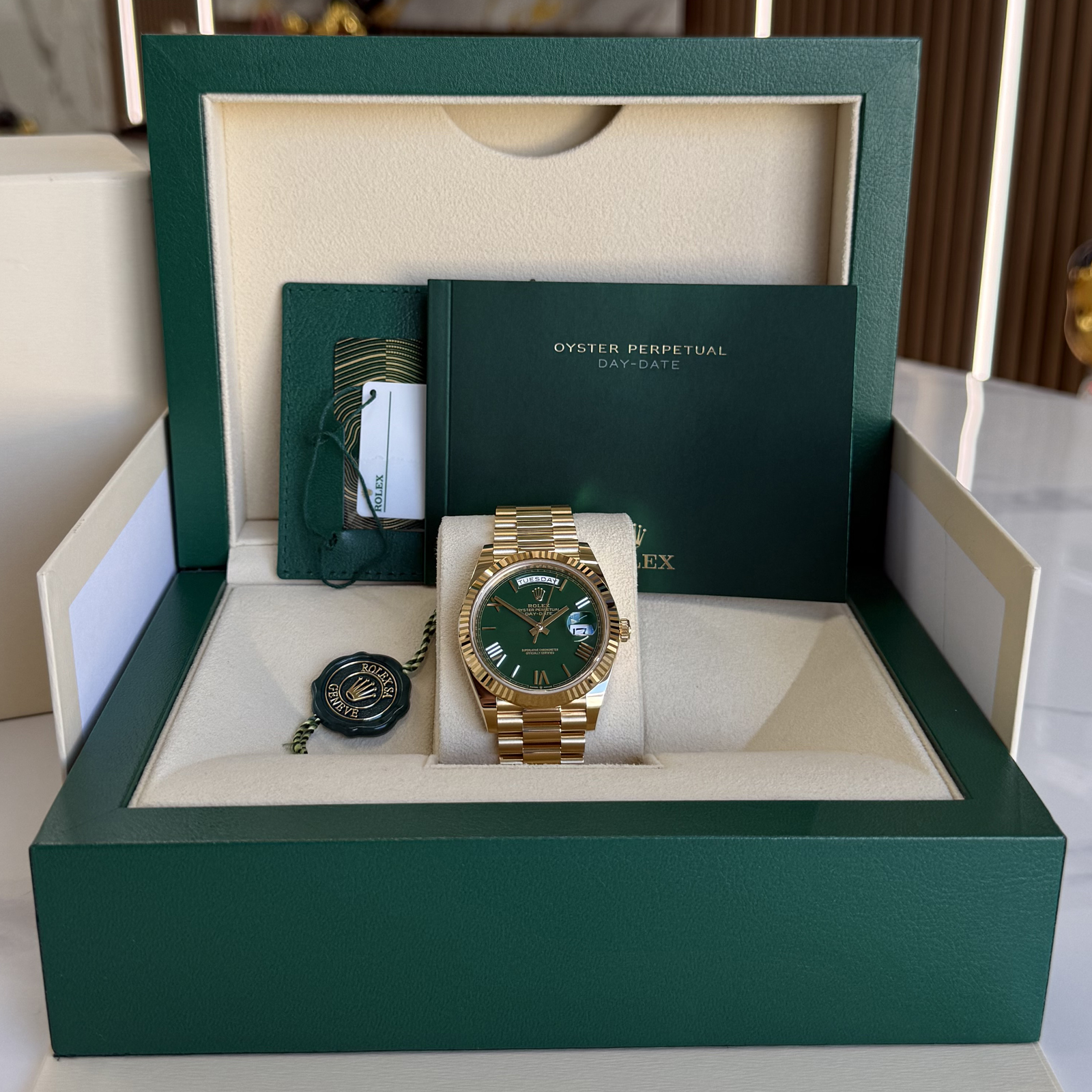
Buying your first luxury watch is exciting, but the sheer number of brands, models, prices, and sellers can make the process overwhelming. A high price doesn’t always mean you’re getting the best watch, while the lowest price can sometimes come with compromises.
The smarter approach is to understand what you’re buying, what determines its value, and how the Los Angeles luxury watch market works before making a decision. This is especially important when you’re comparing new and pre-owned timepieces or considering sought-after brands with significant differences between retail and secondary-market pricing.
If you’re planning to buy your first luxury watch in Los Angeles, this guide will help you evaluate your options, recognize a fair price, and avoid common mistakes that can cost you later.
What Does “Overpaying” Actually Mean When Buying a Luxury Watch?
Overpaying doesn’t necessarily mean spending more than the lowest price you can find online. Luxury watch prices can vary considerably based on the exact reference, condition, availability, provenance, and current demand.
A watch priced higher than another example of the same brand may still represent better value if it has:
- Better overall condition
- Original components
- Complete box and papers
- Documented service history
- Greater rarity
- Stronger collector demand
The opposite can also be true. An unusually cheap watch may seem like an opportunity until you discover missing documentation, aftermarket parts, excessive polishing, or an uncertain ownership history.
Retail Price vs. Secondary-Market Price
Understanding the difference between retail and secondary-market pricing is essential for first-time buyers.
A brand’s retail price reflects the price set by the manufacturer or authorized retailer. The secondary-market price, meanwhile, is influenced by supply and demand among buyers and collectors.
A highly desirable watch can trade above its original retail price because demand exceeds availability. Another model from the same manufacturer may sell below retail because there’s a greater supply or less collector interest.
That’s why simply searching for a brand and comparing prices isn’t enough. You need to compare the same reference and configuration to determine whether you’re looking at a fair market price.
Why the Cheapest Watch Isn’t Always the Best Deal
Price should always be considered alongside the condition and history of the watch.
A lower-priced timepiece may have:
- Missing original accessories
- Significant wear
- An unknown service history
- Replacement components
- Aftermarket modifications
- Questionable provenance
These issues can affect both the watch’s current value and its future resale potential.
For a first-time buyer, paying a fair price for a well-documented, authentic watch can be a much better decision than chasing the cheapest listing available.
Decide What You Want From Your First Luxury Watch
Before comparing prices, decide what you actually want from the watch.
Your first luxury timepiece could become an everyday companion, a special-occasion piece, the foundation of a collection, or a watch you eventually trade toward something more exclusive.
Knowing your priorities will make it easier to narrow down brands and models.
Everyday Wear
If you plan to wear your watch frequently, prioritize versatility, comfort, durability, and a design that works across different settings.
A versatile luxury watch can transition between professional environments, casual occasions, travel, and social events without feeling out of place.
Collecting
Collectors may place greater emphasis on rarity, historical significance, production numbers, and specific references.
A watch that seems less practical for everyday use can still be an excellent first acquisition if it introduces you to a brand or style that you genuinely appreciate.
Investment Potential
If resale value matters to you, research the specific reference rather than assuming an entire brand will perform equally well.
Consider:
- Current collector demand
- Historical resale performance
- Production numbers
- Condition
- Originality
- Availability
No luxury watch is guaranteed to appreciate, so investment potential should be considered alongside your enjoyment of the piece.
Personal Style
Your first luxury watch should also feel like something you want to wear.
Think about:
- Case size
- Dial color
- Bracelet or strap
- Metal
- Overall design
- Formal vs. casual styling
A watch can have excellent resale potential and still be the wrong purchase if it doesn’t suit your personal style.
Set a Realistic Budget
Your purchase budget should account for more than the watch’s asking price.
Depending on the timepiece, you may also need to consider:
- Future servicing
- Insurance
- Storage
- Replacement accessories
- Potential repairs
Setting your budget before you start shopping can prevent you from becoming attached to watches that are significantly outside your intended spending range.
If you’re still learning how the market works, our Complete Guide to Buying Luxury Watches in Los Angeles provides a broader look at choosing brands, evaluating condition, understanding authentication, and approaching the buying process with confidence.
A clear budget and a defined reason for buying will give you a much stronger starting point than simply walking into a luxury watch store and choosing the most recognizable model on display.
New vs. Pre-Owned: Which Makes More Sense for a First Luxury Watch?
One of the biggest decisions you’ll make as a first-time buyer is choosing between a new and pre-owned timepiece. Both can be excellent purchases, but they offer different advantages in terms of availability, pricing, selection, and ownership experience.
Understanding these differences can help you spend your budget more strategically.
Buying New
A new luxury watch gives you the experience of being the first owner. You’ll typically receive the manufacturer’s warranty, original packaging, and the latest production specifications.
New watches may be the right choice if you:
- Want a factory-fresh timepiece
- Prefer the latest models
- Value a manufacturer’s warranty
- Want complete original packaging
- Don’t want any history of previous ownership
However, new doesn’t automatically mean better value.
Highly sought-after models may be difficult to obtain at retail, while less desirable references can depreciate after purchase. The difference between retail availability and actual market demand is something first-time buyers should understand before committing to a model.
Buying Pre-Owned
The pre-owned market offers a much broader selection, particularly if you’re interested in discontinued or highly sought-after references.
Benefits can include:
- Immediate availability
- Access to discontinued models
- More variety across production years
- Established secondary-market pricing
- Opportunities to find well-maintained watches
A pre-owned watch can also make it easier to enter the luxury market at a price that fits your budget.
However, condition and authenticity become especially important. Always verify the watch’s history, originality, and documentation before purchasing.
Which Luxury Watch Brands Are Worth Considering?
There’s no single “best” luxury watch brand for a first-time buyer. Your ideal choice depends on your budget, style, intended use, and collecting goals.
Still, several established manufacturers offer strong starting points for new collectors.
Rolex
Rolex is often one of the first brands considered by people entering the luxury watch market.
Its broad range includes sports watches, dressier models, travel-focused references, and versatile everyday pieces. Strong global recognition and an established secondary market also make many Rolex models relatively easy to understand from a resale perspective.
For a first-time buyer, the most important consideration isn’t simply choosing Rolex. It’s selecting the right reference, condition, configuration, and price.
Patek Philippe
Patek Philippe occupies a different position within the market, with a strong emphasis on traditional Swiss watchmaking and high-end finishing.
The brand appeals to collectors interested in:
- Haute horlogerie
- Complicated movements
- Long-standing heritage
- Limited production
- Collectibility
Patek Philippe generally commands a higher entry point, making it more relevant to buyers with larger budgets or those already developing a serious collection.
Audemars Piguet
Audemars Piguet is particularly known for the Royal Oak, one of the defining designs in modern luxury sports watches.
The brand can appeal to first-time buyers who want something distinctive, particularly if an integrated-bracelet sports watch fits their personal style.
As with Rolex and Patek Philippe, individual references can vary considerably in price and demand.
Cartier
Cartier offers a different approach to luxury watch design.
Models such as the Tank and Santos have distinctive visual identities and can work particularly well for buyers who want something elegant rather than overtly sporty.
Cartier can also offer first-time collectors an opportunity to explore luxury watchmaking without limiting themselves to traditional sports-watch designs.
Richard Mille
Richard Mille sits at the ultra-luxury end of the market and is known for its technical innovation, distinctive case designs, and limited production.
These watches appeal primarily to collectors seeking exceptional engineering and exclusivity. For most first-time buyers, Richard Mille represents a substantially higher entry point than many other luxury brands.
The important lesson is that brand recognition alone shouldn’t determine your purchase. A luxury watch’s reference, condition, materials, availability, and market demand all influence what you’ll ultimately pay.
How Luxury Watch Prices Are Determined
Once you’ve narrowed down the brands you’re interested in, the next step is understanding why two watches that appear similar can have dramatically different prices.
Several factors influence the market price of a luxury watch.
Brand and Reference
The manufacturer establishes the broad market category, but the specific reference often has a much greater effect on pricing.
Two Rolex watches, for example, can have completely different resale values depending on their collection, production year, materials, and demand.
Materials
The materials used in a watch can substantially influence its price.
Consider:
- Stainless steel
- Yellow gold
- White gold
- Rose gold
- Platinum
- Ceramic
- Titanium
- Specialized materials
Material preference can also vary among collectors, meaning a more expensive material doesn’t automatically make a particular reference more desirable.
Complications
A watch with additional functions or complications may command a higher price because of the engineering and craftsmanship involved.
Examples include:
- Chronographs
- GMT functions
- Perpetual calendars
- Moon phases
- Minute repeaters
However, complications should be chosen because they appeal to you, not simply because they increase the price.
Condition and Originality
Condition can make a significant difference between two examples of the same reference.
A well-maintained watch with original components may command a premium over one with heavy wear or aftermarket modifications.
Rarity and Availability
Limited production, discontinued references, unusual configurations, and restricted availability can all increase collector interest.
This is especially important in Los Angeles, where demand for highly sought-after luxury watches can create substantial differences between retail pricing and secondary-market pricing.
Current Market Demand
Luxury watch prices aren’t static.
Demand can change following:
- New model releases
- Discontinued references
- Changes in collector preferences
- Shifts in availability
- Broader economic conditions
This is why looking at the current market value of the exact watch you’re considering is more useful than relying on an old retail price or a generic brand-level estimate.
For first-time buyers, understanding these variables makes it much easier to recognize a fair price and avoid paying a premium simply because a particular watch is popular.
The goal isn’t to find the cheapest luxury watch in Los Angeles. It’s to find an authentic, well-maintained timepiece at a price that makes sense for its condition, configuration, and current market demand.
7 Things to Check Before Buying Your First Luxury Watch
Once you’ve narrowed down the brand, model, and budget, the next step is making sure the specific watch you’re considering is worth its asking price. Two examples of the same reference can differ considerably in value based on their condition, history, documentation, and originality.
Before you buy, take the time to evaluate these seven areas.
1. Current Market Pricing
Start by researching the exact reference.
A Rolex Daytona, for example, can have dramatically different pricing depending on the reference number, material, production year, dial configuration, and condition. The same applies to watches from Patek Philippe, Audemars Piguet, Cartier, and other major manufacturers.
Compare watches with similar:
- Reference numbers
- Materials
- Production years
- Conditions
- Box and papers
- Bracelet or strap configurations
This gives you a more realistic understanding of what buyers are currently paying.
Remember that an asking price isn’t necessarily the same as market value. A watch can be listed at a particular price for months without attracting a buyer. Looking at comparable examples and speaking with an experienced dealer can give you a better context.
2. Condition
Condition can have a substantial effect on what a watch is worth.
Look closely at:
- Case scratches and dents
- Crystal condition
- Bracelet wear
- Dial condition
- Bezel condition
- Signs of polishing
Minor wear isn’t necessarily a problem. Pre-owned watches are expected to show some evidence of use. What matters is whether the condition is consistent with the watch’s age and whether any restoration work has affected its originality.
3. Authenticity
Never assume a luxury watch is authentic simply because it looks convincing.
A proper authentication process examines the watch’s movement, case, dial, hands, serial and reference numbers, bracelet, and other components. This is particularly important when purchasing a pre-owned timepiece.
A trusted watch dealer in Los Angeles should be able to explain how the watch was authenticated and identify any replacement or aftermarket components.
4. Box and Papers
Original accessories can provide useful information about a watch’s history and may contribute to its future resale appeal.
Ask whether the watch includes:
- Original box
- Warranty card
- Instruction manuals
- Hang tags
- Additional bracelet links
- Service documentation
A watch without its original accessories isn’t automatically a poor purchase. However, if you’re comparing two otherwise similar watches, the more complete example may be worth considering.
5. Service History
A luxury mechanical watch requires proper maintenance to perform reliably.
Ask when the watch was last serviced and whether documentation is available. If the watch has been serviced by the manufacturer or an established watchmaker, records can provide useful reassurance.
Service history can also help you anticipate future maintenance costs. A watch that hasn’t been serviced for many years may require attention sooner than a recently serviced example.
6. Originality
Authenticity and originality aren’t always the same thing.
A watch can be genuine while containing aftermarket or replacement components. Collectors often pay close attention to originality because modifications can affect both desirability and resale value.
Ask whether components such as the:
- Dial
- Hands
- Bezel
- Bracelet
- Crown
- Movement parts
are original to the reference.
This is particularly important when buying vintage or highly collectible watches.
7. Dealer Reputation
Finally, consider who you’re buying from.
A luxury watch is a significant purchase, so the seller’s reputation, authentication process, transparency, and transaction experience matter alongside the watch itself.
Look for a dealer that provides:
- Clear information about condition
- Authentication
- Transparent pricing
- Relevant documentation
- A secure purchasing process
- Personalized guidance
Piece Unique LA operates in Los Angeles with a private, personalized buying experience and offers authenticated luxury watches from sought-after brands. Its website also states that appointments are private and tailored to individual clients.
Common Mistakes First-Time Luxury Watch Buyers Make
Even after researching the market, first-time buyers can fall into a few predictable traps.
Buying Based Only on Brand Name
A prestigious brand doesn’t automatically make every reference a good purchase. The specific model, condition, and current demand matter.
Choosing a Watch Because It’s Trending
Market trends can change quickly. Buying solely because a model is popular today can lead to disappointment if your interest doesn’t extend beyond its current hype.
Comparing Different Configurations
Two watches may look similar while having different reference numbers, materials, movements, or production years. Always make sure you’re comparing like-for-like examples.
Assuming the Lowest Price Is the Best Value
A suspiciously low price deserves closer inspection. Missing papers, aftermarket components, poor condition, or uncertain provenance can explain the difference.
Skipping Authentication
This is one area where cutting corners isn’t worth the risk. An attractive price means little if you cannot establish that the watch is genuine and accurately represented.
Ignoring Future Resale
You don’t have to buy a watch purely as an investment, but understanding its resale market can help you make a more informed purchase.
A watch that fits your style, has strong collector demand, and is purchased at a fair market price gives you greater flexibility if you eventually decide to sell or trade it.
Private Dealer vs. Traditional Retailer: Where Should You Buy?
The right purchasing environment depends on what you’re looking for.
Traditional retailers can be a good fit for buyers who want a current-production model, manufacturer warranty, and a conventional retail experience.
A private luxury watch dealer may be more suitable if you’re searching for pre-owned, discontinued, rare, or highly sought-after references.
| Private Dealer | Traditional Retailer |
| Access to pre-owned and rare references | Primarily current-production inventory |
| Private appointments may be available | Traditional retail environment |
| Secondary-market expertise | Manufacturer-focused expertise |
| Potential access to discontinued models | Current collections |
| Personalized sourcing | Standard retail purchasing |
For first-time buyers in Los Angeles, the important consideration isn’t simply choosing one over the other. It’s finding a reputable seller whose inventory and expertise match the watch you’re trying to purchase.
Once you’ve compared the exact reference, condition, authenticity, documentation, and market price, you’ll be in a much stronger position to recognize a fair deal rather than simply reacting to a sticker price.
How to Know You’re Getting a Fair Price
Once you’ve identified a watch that fits your style and budget, the final step is determining whether the asking price makes sense. A fair price isn’t necessarily the lowest one available. It should reflect the watch’s exact reference, condition, originality, documentation, current demand, and the reputation of the seller.
Before making an offer, consider these questions:
- Is the price competitive with comparable examples?
- Does the watch have its original components?
- Are box and papers included?
- Is the service history documented?
- Has the watch been professionally authenticated?
- Is the model currently in high demand?
- Does the dealer provide sufficient information about its condition?
Taking these factors together gives you a much clearer picture of the watch’s actual market value.
Compare the Exact Reference
Avoid comparing a watch simply because it shares the same brand or collection.
The reference number, material, dial configuration, production year, and condition can all affect pricing. Two visually similar watches may have significantly different market values.
Consider the Complete Package
A watch with original documentation, accessories, and a documented service history may justify a higher price than a similar watch sold without them.
Look at the entire package rather than focusing exclusively on the watch itself.
Don’t Be Afraid to Ask Questions
A reputable dealer should be comfortable explaining how a watch was evaluated and why it is priced at a particular level.
Ask about:
- Authentication
- Condition
- Service history
- Original components
- Provenance
- Warranty or guarantees
- Current market demand
Clear answers can help you determine whether you’re looking at a genuine opportunity or simply an attractive listing.
Why Piece Unique Is a Trusted Choice for First-Time Buyers
Your first luxury watch purchase should feel exciting, not intimidating. Having an experienced dealer guide you through the process can make it easier to understand pricing, compare references, and identify a watch that genuinely fits your goals.
Piece Unique offers a private, personalized buying experience for collectors and first-time buyers in Los Angeles. The focus is on helping clients find exceptional timepieces while providing guidance around authenticity, condition, and market value.
The private approach can be particularly useful for first-time buyers who may have questions about specific references, pre-owned watches, or the differences between models.
Piece Unique provides access to sought-after luxury watches and works with clients to create a more considered buying experience.
Conclusion: Buy the Watch, Not the Hype
Buying your first luxury watch in Los Angeles doesn’t require chasing the most popular model or finding the lowest possible price. A smarter purchase starts with understanding what you’re actually buying and why it’s priced the way it is.
Research the exact reference, compare current market prices, inspect the condition, confirm authenticity, and consider the watch’s documentation and service history. Most importantly, choose a reputable dealer that can answer your questions and provide transparency throughout the transaction.
A luxury watch should also be something you genuinely enjoy wearing. Resale value and market demand matter, but they shouldn’t completely dictate your decision.
If you’re ready to buy your first luxury watch in Los Angeles, taking a measured approach can help you find a timepiece that fits your budget, lifestyle, and collecting goals without paying more than its value warrants.
Start Your Luxury Watch Collection With Confidence
Your first luxury watch should be a purchase you feel confident about long after the transaction is complete. Understanding the market, researching your options, and working with a reputable dealer can help you avoid unnecessary premiums while finding a timepiece that genuinely suits you.
Piece Unique LA offers a private buying experience for clients looking to discover exceptional luxury watches in Los Angeles. Whether you’re exploring your first Rolex, considering a pre-owned timepiece, or looking for a specific reference, the team can help you navigate your options with greater confidence.
Visit Piece Unique LA to explore available luxury watches and begin your search.
Frequently Asked Questions
1. How much should I spend on my first luxury watch in Los Angeles?
There’s no universal budget for a first luxury watch. Consider your overall finances, intended use, preferred brand, and future maintenance costs before deciding how much to spend. Setting a budget first can help you avoid making an emotional purchase.
2. Where should I buy my first luxury watch in Los Angeles?
Look for an established dealer with a strong reputation, transparent pricing, authentication expertise, and detailed information about each watch’s condition and provenance. Private dealers can be particularly useful when you’re interested in pre-owned or harder-to-find references.
3. Is it better to buy a new or pre-owned luxury watch?
It depends on your priorities. New watches offer factory-fresh condition and manufacturer warranties, while pre-owned watches can provide access to discontinued models, greater selection, and established secondary-market pricing.
4. How do I know if a luxury watch is fairly priced?
Compare the exact reference with similar watches based on condition, production year, materials, documentation, and current market demand. Comparing only the brand or collection isn’t enough to determine fair value.
5. What is the best luxury watch for a first-time buyer?
The best first luxury watch is one that fits your budget, lifestyle, and personal taste. Rolex, Cartier, and other established brands offer a range of models that can suit different preferences and collecting goals.
6. Should I buy a Rolex as my first luxury watch?
Rolex can be an excellent starting point because of its global recognition, broad model selection, and established secondary market. However, the right reference matters more than simply choosing the brand.
7. How can I avoid buying a counterfeit luxury watch in Los Angeles?
Purchase from a reputable dealer that professionally authenticates its watches. Ask about the watch’s movement, serial and reference numbers, originality, documentation, and provenance before completing the transaction.
8. Is buying a pre-owned luxury watch a good way to save money?
It can be. Pre-owned watches provide access to a wider selection and may offer different pricing than new models. However, compare condition, authenticity, service history, and current market value before assuming a pre-owned watch is automatically the better deal.
9. Should I buy from a private luxury watch dealer in Los Angeles?
A private dealer can be a strong option if you want personalized guidance, access to pre-owned or rare references, and a more discreet buying experience. The dealer’s reputation and authentication practices should remain your priorities.
10. What should I check before buying a luxury watch?
Check the exact reference, condition, authenticity, originality, service history, box and papers, current market pricing, and dealer reputation. These details will give you a much clearer understanding of what you’re actually purchasing.