
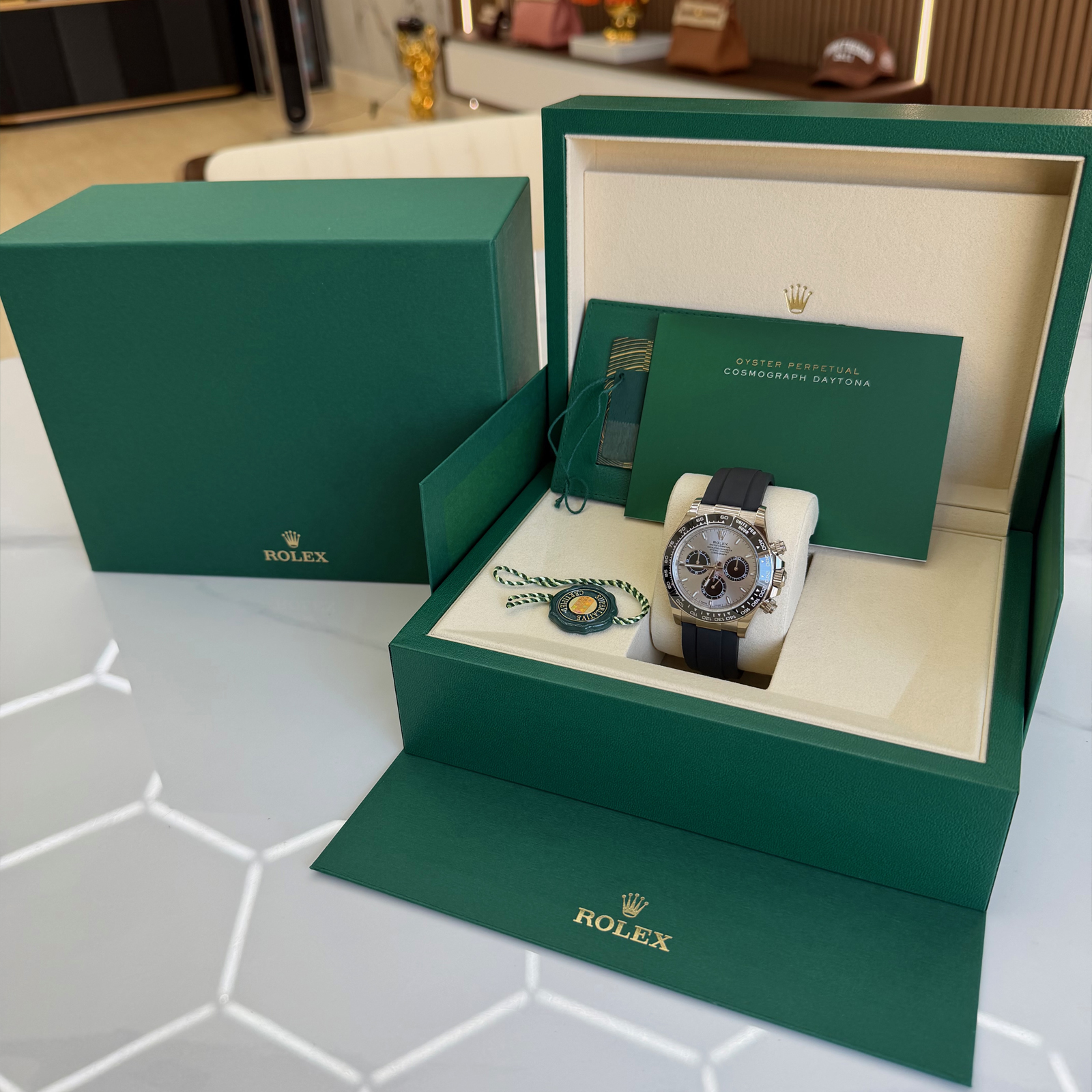
When buying a pre-owned luxury watch, condition can make a significant difference in what you’re actually getting for your money. Two watches with the same brand and reference can have noticeably different values based on their appearance, mechanical performance, originality, and maintenance history.
For buyers exploring pre-owned luxury watches in Los Angeles, knowing how to evaluate condition is essential. Looking beyond surface-level scratches and understanding the details that influence a watch’s value can help you compare timepieces more accurately and make a more confident purchase.
Why Does Luxury Watch Condition Matter?
Condition is one of the most important considerations when determining the value of a pre-owned luxury watch. While brand reputation and model demand establish much of a watch’s market appeal, its individual condition helps determine where it sits within that market.
Consider two examples of the exact same reference. One may have been carefully maintained, regularly serviced, and stored properly, while the other may have significant scratches, a heavily worn bracelet, an over-polished case, or an uncertain service history. Even though they’re technically the same model, collectors and buyers may value them very differently.
Several elements contribute to a watch’s overall condition, including:
- Case and bezel condition
- Dial and hand condition
- Crystal condition
- Bracelet and clasp wear
- Movement performance
- Service history
- Originality of components
- Signs of polishing or restoration
Condition can also affect what happens after your purchase. A watch in excellent mechanical and cosmetic condition may require less immediate attention, while a heavily worn or poorly maintained timepiece could require servicing or replacement components.
This is particularly relevant when considering luxury watch resale value. Although condition is only one part of the equation, a well-maintained and properly documented watch can be more appealing to future buyers than an equivalent example with significant wear or an unclear history.
What Does “Condition” Mean When Buying a Luxury Watch?
The term “condition” can sound straightforward, but evaluating it properly involves much more than deciding whether a watch looks clean.
A luxury watch should be assessed as a complete timepiece, including both its exterior and internal mechanics. Buyers should also consider whether the components are original and whether the watch has been properly maintained throughout its ownership history.
Cosmetic Condition vs. Mechanical Condition
One of the most important distinctions is between cosmetic condition and mechanical condition.
Cosmetic condition refers to the physical appearance of the watch. This includes scratches, dents, polishing, crystal marks, dial condition, bracelet wear, and other visible characteristics.
Mechanical condition concerns how the watch actually operates.
A mechanically healthy watch should perform its intended functions properly. Depending on the model, this can include accurate timekeeping, appropriate power reserve, smooth winding, reliable date changes, and correctly functioning complications.
This means a watch can look excellent while still requiring mechanical attention. Conversely, a watch with visible signs of wear may function exceptionally well.
For this reason, buyers shouldn’t judge a pre-owned timepiece solely from photographs. A professional inspection can reveal details that aren’t obvious from the outside.
Why Condition Can Matter More Than Age
It’s easy to assume that an older luxury watch is automatically worth less than a newer one. In reality, age and condition are separate considerations.
An older watch that has been carefully preserved, properly serviced, and maintained with original components can be significantly more desirable than a newer example that has experienced heavy wear or undergone extensive modifications.
Age can even contribute to collectibility when a particular reference has historical significance or is no longer in production.
Collectors may place particular importance on:
- Original case proportions
- Original dials and hands
- Period-correct components
- Documented service history
- Minimal or appropriate restoration
- Overall preservation
This is one reason why what makes a luxury watch collectible can be more complicated than simply looking at its age or price. A timepiece’s history, rarity, originality, and condition all need to be considered together.
For Los Angeles buyers, understanding this distinction is particularly useful when comparing modern pre-owned watches with vintage or discontinued references. A watch that’s several decades old isn’t necessarily a compromise; in the right condition and configuration, its age may be part of what makes it desirable.
Ultimately, evaluating condition is about understanding the complete story of the watch—not simply counting scratches on the case. By examining its cosmetic appearance, mechanical performance, originality, and maintenance history together, you can make a much more informed assessment of whether a pre-owned luxury watch represents good value.
What Should You Inspect Before Buying a Pre-Owned Luxury Watch?
A luxury watch can look exceptional at first glance while still having details that affect its value beneath the surface. That’s why a proper condition assessment should go beyond checking for obvious scratches.
When evaluating a pre-owned timepiece, consider the entire watch and how its individual components have been maintained. The following areas can help you understand both its present condition and how that condition may influence its market appeal.
1. Case Condition
The case is one of the first things you’ll notice, but it can also reveal a great deal about how a watch has been treated.
Look for:
- Scratches and surface marks
- Dents or deep impacts
- Nicks around the lugs
- Wear along the case edges
- Uneven finishing
- Changes to the original case shape
Normal wear isn’t necessarily a concern. A pre-owned watch in Los Angeles that has been worn will naturally develop some marks over time. The bigger question is whether the case has retained its original proportions and finishing.
This becomes particularly important with collectible watches. Sharp edges, defined transitions between polished and brushed surfaces, and original case geometry can contribute to a reference’s desirability.
2. Polishing and Refinishing
Polishing deserves special attention because not all polishing is the same.
Luxury watches can be professionally polished to remove scratches and restore their appearance. However, repeated or aggressive polishing removes material from the case. Over time, this can soften edges, alter proportions, and change details that were part of the original design.
Signs that a watch may have been heavily polished can include:
- Rounded case edges
- Softened or uneven lugs
- Reduced definition between finishing surfaces
- Altered bevels
- Changes in the original case shape
For some modern watches, professional polishing may be relatively routine. For vintage and highly collectible references, however, originality can carry considerably more importance.
Understanding what makes a luxury watch collectible can therefore help you appreciate why collectors pay such close attention to case condition and originality.
3. Dial and Hands
The dial is often one of the most important visual components of a luxury watch, and its condition can have a substantial effect on desirability.
Inspect the dial for:
- Scratches
- Staining
- Discoloration
- Moisture damage
- Fading
- Damaged markers
- Signs of refinishing
With vintage watches, natural aging or patina can sometimes add character and collector appeal. A dial that has developed an attractive appearance naturally over decades isn’t necessarily considered damaged.
However, a refinished or replaced dial can tell a very different story.
Collectors interested in originality may want to know whether the dial and hands are original to the watch, period-correct replacements, manufacturer replacements, or aftermarket components.
4. Crystal and Bezel
The crystal protects the dial, while the bezel can be one of the most recognizable design elements of a watch.
Check the crystal for:
- Scratches
- Cracks
- Chips
- Cloudiness
- Signs of improper replacement
The bezel should also be examined for dents, scratches, fading, and wear appropriate to the watch’s age.
For watches with replaceable bezel inserts, originality can matter as well. A replacement component isn’t automatically a negative, particularly if it was installed by the manufacturer during legitimate servicing. But buyers should understand what has been replaced and why.
5. Bracelet, Clasp, and Strap
The bracelet is another area where wear can significantly affect the overall presentation of a pre-owned watch.
Pay attention to:
- Bracelet stretch
- Scratches
- Worn links
- Clasp condition
- Loose components
- Missing links
- Buckle wear
- Strap condition
Bracelet stretch can be particularly noticeable on older watches. It occurs naturally with prolonged use as the connecting components experience wear.
Also confirm whether the bracelet or strap is original to the reference. An authentic watch fitted with an incorrect or aftermarket bracelet may not have the same collector appeal as a correctly configured example.
For buyers, this is another reason not to evaluate a pre-owned luxury watch based solely on its dial and case. The condition of every major component contributes to the overall picture.
6. Movement and Functionality
A luxury watch can look almost perfect externally and still need significant mechanical attention.
The movement should therefore be evaluated by someone with appropriate watchmaking expertise.
Depending on the model, an inspection may consider:
- Timekeeping performance
- Power reserve
- Winding
- Setting mechanism
- Date function
- Chronograph operation
- GMT function
- Other complications
- Unusual sounds or behavior
The exact tests required will vary depending on the movement and complications.
Mechanical condition is particularly important because problems inside the watch aren’t always immediately visible. A professional evaluation can identify potential servicing needs before they become more expensive issues.
7. Service History
Knowing how a luxury watch has been maintained can provide valuable insight into its current condition.
Ask whether the seller can provide information about:
- Previous servicing
- Manufacturer service
- Independent watchmaker service
- Parts replaced during servicing
- Service dates
- Service receipts or records
A documented service history doesn’t necessarily make a watch more collectible, but it can give buyers greater confidence that the timepiece has received appropriate care.
It can also help you anticipate future maintenance. A watch that hasn’t been serviced for many years may require attention sooner than one that has recently undergone appropriate maintenance.
8. Originality and Replacement Parts
Finally, consider whether the watch remains close to its original factory configuration.
A genuine luxury watch can contain components that aren’t original to the watch. For example, a dial, hands, bezel, bracelet, or other component may have been replaced during its lifetime.
There’s an important distinction between legitimate manufacturer replacement parts and aftermarket components.
When evaluating a potentially collectible reference, ask:
- Are the major components original?
- Have any parts been replaced?
- Were replacements performed by the manufacturer?
- Are the components period-correct?
- Are there any aftermarket parts?
- Does the current configuration match the reference?
Originality can be particularly significant when evaluating vintage and rare watches. A timepiece that retains its original components may appeal more strongly to collectors than an example that has been extensively modified.
For buyers exploring collectible luxury watches in Los Angeles, these details can help explain why two apparently similar watches can command very different prices.
A proper condition assessment ultimately requires looking at the watch as a whole. The case, dial, bracelet, movement, service history, and originality all contribute to its overall condition and consequently to how buyers and collectors may value it.
How Does Condition Change What a Luxury Watch Is Worth?
Condition doesn’t have a fixed dollar value. Instead, it works together with other characteristics such as brand, reference, rarity, age, originality, documentation, and market demand.
This is why two examples of the same luxury watch can have noticeably different asking prices. One may have exceptional preservation and a documented service history, while another may show significant wear or contain replacement components.
For buyers comparing pre-owned luxury watches in Los Angeles, understanding these differences can help you determine whether a price reflects the watch itself or simply its brand name.
Excellent or Like-New Condition
A watch in excellent or like-new condition generally shows minimal signs of wear and has been carefully maintained.
Depending on the model, buyers may expect:
- Minimal scratches or surface marks
- Well-defined case edges
- Clean and undamaged dial
- Strong bracelet or strap condition
- Properly functioning movement
- Original components
- Complete or well-documented accessories
This type of condition can command a premium, particularly when the reference is already highly sought after.
However, “like-new” doesn’t automatically mean “more collectible.” For certain vintage watches, collectors may actually prefer an original example showing appropriate age and patina rather than one that has been extensively restored.
Very Good Condition
Very good condition typically means the watch has been worn but remains well preserved.
You may see light scratches, minor bracelet wear, or small signs of use, but there shouldn’t be significant damage or concerns about mechanical performance.
This can be an attractive category for buyers who want to wear their watch regularly rather than keep it purely as a collector’s piece.
A well-maintained pre-owned watch in very good condition can provide an excellent balance between appearance, functionality, and price.
Fair or Heavily Worn Condition
A watch in fair condition may show substantial evidence of previous use.
This could include:
- Deeper scratches
- Dents
- Significant bracelet stretch
- Heavily worn clasp
- Damaged crystal
- Faded or damaged components
- Uncertain service history
- Replacement or aftermarket parts
A lower asking price may reflect these issues, but buyers shouldn’t automatically assume that a heavily worn watch is a bargain.
Potential servicing, restoration, or component replacement can add considerably to the actual cost of ownership.
For this reason, the most affordable watch at first glance isn’t necessarily the one offering the best value.
Does Polishing Lower a Luxury Watch’s Value?
Polishing is one of the more complicated issues in the pre-owned luxury watch market.
Professional polishing can remove scratches and restore a watch’s appearance, and in some circumstances it can be a perfectly reasonable part of maintenance. The concern is excessive polishing.
Every time material is removed from a metal case, the original geometry can potentially change. Repeated polishing may soften edges, reduce bevel definition, and alter the proportions that collectors associate with a particular reference.
This matters especially for vintage and collectible watches.
When evaluating a polished watch, don’t simply ask whether it has been polished. Instead, consider how it was polished and how much material may have been removed.
Look for:
- Defined case edges
- Consistent finishing
- Proper lug shape
- Clear transitions between brushed and polished surfaces
- Original case proportions
- Appropriate bevels
A professionally maintained watch isn’t automatically less valuable because it has been polished. The extent and quality of the work are what matter.
For collectors, preserving the character of the original case can be especially important. This is one reason why what makes a luxury watch collectible often involves originality as much as appearance.
Does Servicing Increase a Luxury Watch’s Value?
Regular servicing is essential for maintaining a mechanical luxury watch, but the cost of servicing doesn’t necessarily translate directly into an equivalent increase in resale value.
For example, spending a significant amount on maintenance doesn’t mean you can automatically add that entire amount to the watch’s selling price.
Instead, documented servicing can provide other benefits.
A clear maintenance history can:
- Increase buyer confidence
- Demonstrate responsible ownership
- Confirm that the movement has received attention
- Reduce concerns about immediate servicing
- Help establish the watch’s history
Service records can be particularly helpful when buying an older or more complicated timepiece.
At the same time, buyers should ask what was actually done during the service. A recent service by a qualified professional can be reassuring, but knowing which components were replaced and whether they were manufacturer-approved parts provides a more complete picture.
Do Box and Papers Affect Condition or Value?
Box and papers don’t determine a watch’s physical condition, but they can affect its overall desirability and market value.
It’s useful to think of condition and completeness as two separate factors.
Condition describes the state of the watch itself.
Completeness refers to how much of the original package remains with it.
A complete set might include:
- Original presentation box
- Warranty card
- Certificate
- Manuals
- Hang tags
- Extra links
- Purchase documentation
- Service records
For some highly collectible references, collectors may place a premium on a complete set because the documentation helps establish provenance and gives the watch a more comprehensive ownership history.
However, missing box and papers don’t automatically make a watch undesirable. A vintage timepiece that has lost its original packaging over several decades may still be highly collectible if it has strong provenance, excellent condition, and original components.
The important thing is to understand what you’re comparing. If two similar watches have different prices, documentation and accessories may be one of the reasons.
Why Condition Should Be Evaluated Alongside Market Demand
Condition is important, but it shouldn’t be evaluated in isolation.
A rare reference with strong collector demand may command a premium even when it shows moderate signs of wear. Likewise, an exceptionally clean example of a watch with limited market demand may not necessarily become highly valuable simply because it’s in excellent condition.
The broader equation includes:
Condition + Rarity + Demand + Originality + Provenance + Reference + Brand Heritage
This is particularly relevant when evaluating watches in the Los Angeles market. Buyers should compare the specific reference with similar examples rather than relying on general assumptions about a brand or collection.
Ultimately, the goal is to understand what you’re paying for and whether the watch’s condition justifies its position in the market.
For anyone considering a pre-owned luxury watch, that knowledge can make it easier to identify genuine value while avoiding unnecessary premiums for a watch that may not offer the condition, originality, or history you’re expecting.
How to Evaluate a Pre-Owned Luxury Watch Before Buying
Understanding how condition affects value is useful, but the real advantage comes from knowing how to apply that knowledge when you’re ready to purchase. Whether you’re buying a well-known reference or a rare collector’s piece, a careful inspection can help you understand exactly what you’re paying for.
Before purchasing a pre-owned luxury watch in Los Angeles, work through the following checklist.
1. Verify the Exact Reference
Start with the reference number. Don’t compare watches based only on the brand or collection.
Different references can have different:
- Movements
- Materials
- Dial configurations
- Production periods
- Bezel designs
- Bracelet options
- Collector demand
Confirming the exact reference gives you a much more accurate basis for comparing condition and pricing.
2. Inspect the Case
Look closely at the case, lugs, edges, and finishing.
Check for:
- Deep scratches
- Dents
- Uneven finishing
- Rounded edges
- Signs of excessive polishing
- Damage around the lugs
The condition should also make sense for the watch’s age. A vintage watch with some natural wear isn’t necessarily problematic, while an older watch that appears heavily refinished may deserve closer examination.
3. Examine the Dial and Hands
The dial is one of the most important components to evaluate, especially with collectible and vintage watches.
Look for damage, discoloration, moisture marks, refinishing, or replacement components. Ask whether the dial and hands are original to the watch or were replaced during a previous service.
For collectors, originality can sometimes be more important than achieving a completely flawless appearance.
4. Check the Crystal and Bezel
Inspect the crystal for scratches, cracks, chips, or cloudiness. Examine the bezel for damage, excessive wear, or signs that it has been replaced.
Replacement isn’t necessarily a negative. Manufacturer-approved replacement parts can be a normal part of servicing. What matters is knowing what was replaced and how that affects the watch’s configuration.
5. Inspect the Bracelet and Clasp
If the watch has a metal bracelet, check for stretch, loose links, scratches, and clasp wear.
Also confirm that the bracelet is appropriate for the reference.
If the watch comes with a leather or other strap, inspect its condition and determine whether it is original or an aftermarket replacement.
6. Ask About Servicing
Ask when the watch was last serviced and whether supporting documentation is available.
Useful information can include:
- Service date
- Service provider
- Work performed
- Parts replaced
- Service receipts
- Manufacturer documentation
A clear history can make it easier to understand the watch’s present mechanical condition and anticipate future maintenance.
7. Confirm Originality
Ask directly whether any components have been replaced or modified.
This is particularly important if you’re interested in a collectible reference. Find out whether the watch contains original, manufacturer-replaced, period-correct, or aftermarket components.
8. Verify Authenticity
Condition and authenticity are separate issues. A watch can appear to be in exceptional condition and still require professional authentication.
Authentication should involve more than checking serial numbers or comparing photographs. Depending on the watch, professionals may examine its movement, components, construction, finishing, and reference-specific details.
9. Review Box and Papers
If original documentation and accessories are included, examine them alongside the watch.
Check that the information is consistent with the timepiece and that the included components are appropriate for the reference.
If they’re missing, don’t immediately dismiss the watch. Instead, consider how the absence affects provenance, buyer confidence, and the asking price.
10. Compare the Price With Similar Watches
Finally, compare the watch with other examples of the same reference and similar condition.
Consider:
- Condition
- Age
- Originality
- Documentation
- Service history
- Rarity
- Current demand
This is a much more useful comparison than simply searching for the lowest price.
Why Professional Inspection Matters
A photograph can show you scratches, but it can’t tell you everything about a watch.
A professional inspection can help identify issues that aren’t immediately visible, including mechanical problems, aftermarket components, excessive polishing, or servicing requirements.
This becomes increasingly important as the value and complexity of the watch increase.
Working with an experienced professional can also help you understand how to determine the condition of a pre-owned luxury watch rather than relying entirely on a seller’s description.
For buyers in Los Angeles, this added expertise can be especially useful when evaluating rare or highly sought-after timepieces.
Where to Buy Well-Maintained Luxury Watches in Los Angeles
The seller you choose is an important part of the buying process.
When looking for pre-owned luxury watches in Los Angeles, prioritize dealers who provide transparent information about condition, authenticity, provenance, and service history.
A reputable luxury watch dealer, like Piece Unique, should be able to answer questions such as:
- Has the watch been authenticated?
- What is its current condition?
- Has it been polished?
- Are the components original?
- When was it last serviced?
- Does it include box and papers?
- Why is it priced at its current level?
Clear answers can give you greater confidence in your purchase and help you understand exactly what you’re getting.
Piece Unique LA offers a personalized approach to buying luxury watches in Los Angeles, with a selection of high-end timepieces for collectors and enthusiasts. Buyers interested in exploring available watches can visit https://pieceuniquela.com/ to learn more about the collection and purchasing experience.
Why Choose Piece Unique LA?
Buying a luxury watch is a personal decision, particularly when you’re looking for a timepiece that you plan to wear, collect, or potentially pass on in the future.
Piece Unique LA provides a private buying experience designed around individual clients and their preferences. For buyers evaluating pre-owned and collectible watches, personalized guidance can make it easier to understand differences in condition, configuration, and market appeal.
Whether you’re searching for a recognizable luxury reference or something more difficult to find, working with knowledgeable professionals can help you approach the purchase with greater confidence.
Conclusion: Look Beyond the Surface
The condition of a luxury watch involves far more than whether the case has a few scratches.
Case finishing, polishing, dial condition, bracelet wear, movement performance, service history, originality, and documentation can all influence how a watch is perceived and valued. These factors become even more important when you’re comparing pre-owned or collectible timepieces.
For Los Angeles buyers, the best approach is to research the exact reference, inspect the watch carefully, verify its authenticity, understand its history, and compare it with similar examples before making a decision.
Most importantly, don’t assume that the newest-looking watch is automatically the best value. A well-preserved timepiece with original components and a strong history may be far more appealing to collectors than a heavily restored watch that simply looks new.
When you understand how luxury watch condition affects value, you can evaluate pre-owned timepieces more confidently and make purchasing decisions based on the complete story of the watch—not just its appearance.
Frequently Asked Questions
How does condition affect luxury watch value?
Condition can significantly influence value because buyers and collectors consider the watch’s cosmetic appearance, mechanical performance, originality, and maintenance history alongside its brand, reference, rarity, and demand.
What is considered good condition for a pre-owned luxury watch?
Good condition generally means the watch has been properly maintained, functions as intended, and shows only appropriate signs of wear for its age. Originality and service history can also contribute to its overall appeal.
Does polishing reduce a luxury watch’s value?
Not necessarily. Professional polishing can be part of normal maintenance, but excessive polishing may alter the original case shape and finishing, which can affect collector appeal for certain references.
How can I tell if a luxury watch has been over-polished?
Look for softened case edges, rounded lugs, reduced bevel definition, and inconsistent transitions between polished and brushed surfaces. A qualified professional can provide a more reliable assessment.
Does a luxury watch’s service history affect its value?
A documented service history can increase buyer confidence and demonstrate that the watch has been properly maintained. However, the cost of servicing doesn’t automatically translate into an equivalent increase in resale value.
Do box and papers increase the value of a luxury watch?
Original box and papers can contribute to completeness, provenance, and buyer confidence. Their importance varies depending on the specific watch, age, rarity, and collector demand.
Are scratches normal on a pre-owned luxury watch?
Yes. Minor scratches and signs of use are normal for many pre-owned watches. What matters is the severity of the wear and whether it is consistent with the watch’s age and history.
How do I inspect a pre-owned luxury watch before buying?
Examine the case, dial, hands, crystal, bezel, bracelet, clasp, and movement. Ask about service history and originality, verify authenticity, review documentation, and compare the watch with similar examples.
Where can I buy well-maintained pre-owned luxury watches in Los Angeles?
Look for an established Los Angeles luxury watch dealer that provides clear information about authenticity, condition, provenance, and service history. A personalized buying experience can also be valuable when evaluating collectible timepieces.
Should I have a luxury watch professionally inspected before buying?
For valuable, vintage, complicated, or collectible watches, professional inspection can be worthwhile. It may uncover mechanical or originality issues that aren’t apparent from photographs or a basic visual inspection.