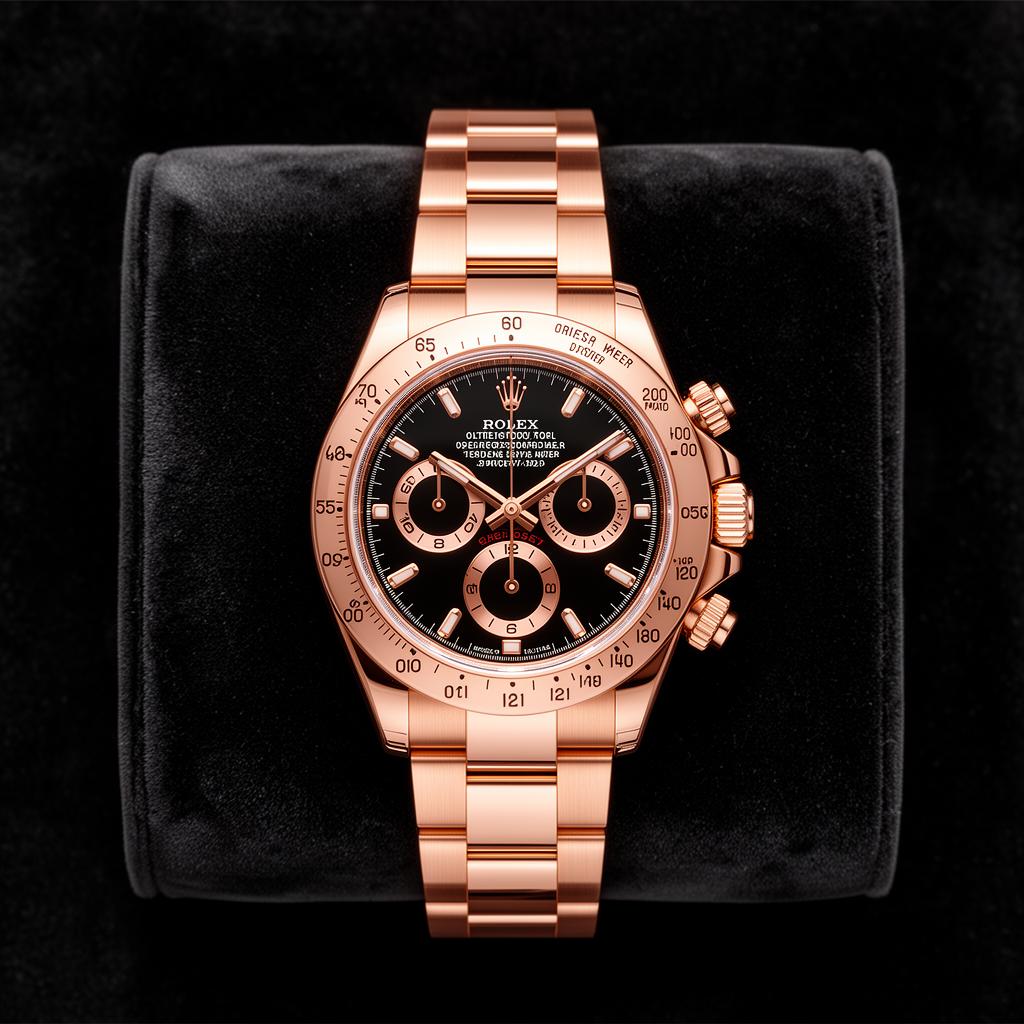
A luxury watch is often one of the most valuable items in a personal collection, making its resale value an important consideration long before it’s time to sell. While certain brands are known for holding their value, every luxury watch’s resale value is different. Factors such as condition, rarity, documentation, and market demand can significantly influence what buyers are willing to pay.
Today’s secondary luxury watch market has created more opportunities than ever for collectors to sell, trade, and upgrade their timepieces. However, understanding what affects your watch’s value can help you make informed decisions before listing it for sale or accepting an offer.
If you’re planning to sell in the future or simply want to understand what your timepiece is worth, these nine factors will help explain what drives luxury watch resale value and how you can maximize your return.
Why Some Luxury Watches Hold Their Value Better Than Others
Not every luxury watch performs the same way in the resale market. While two watches may carry similar retail prices when purchased new, their values can follow completely different paths over time.
Several elements influence how collectors perceive a watch’s desirability, but one factor consistently stands out: demand.
Luxury watch brands with a long-standing reputation for craftsmanship and exclusivity often attract strong interest from collectors around the world. Combined with limited production and growing demand, these watches tend to maintain their appeal long after leaving the showroom.
Brands that frequently perform well in the secondary market include:
- Rolex
- Patek Philippe
- Audemars Piguet
- Richard Mille
However, even within these manufacturers, certain references command substantially higher resale values than others. Limited editions, discontinued models, and highly sought-after sports watches often outperform standard production references because collectors actively compete to acquire them.
9 Most Important Factors Buyers Consider When Choosing a Luxury Watch
Every luxury watch is evaluated differently, but experienced buyers tend to look at the same core characteristics before deciding what it’s worth.
1. Brand Reputation
The brand name on the dial is one of the strongest influences on a luxury watch’s resale value.
Manufacturers that have consistently produced exceptional timepieces over decades often enjoy greater collector confidence. Buyers recognize these brands for their heritage, reliability, and lasting demand, making them easier to sell in the secondary market.
Several characteristics strengthen a brand’s resale performance:
- Established history
- Global recognition
- Proven craftsmanship
- Strong collector communities
- Consistent demand across international markets
Brands such as Rolex and Patek Philippe have spent generations building reputations that continue to attract new collectors year after year.
That doesn’t mean lesser-known brands lack value, but watches from globally recognized manufacturers generally attract a broader audience, increasing resale opportunities.
2. Model Demand
Brand reputation alone doesn’t determine resale value.
Within every manufacturer, certain references become significantly more desirable than others.
Collector demand is influenced by several factors, including:
- Production numbers
- Waiting lists
- Historical significance
- Design popularity
- Celebrity exposure
- Anniversary releases
For example, a highly sought-after sports model may command a considerably higher resale price than a less popular dress watch from the same brand.
Limited availability often amplifies demand. When buyers struggle to obtain a watch through traditional retail channels, many turn to the secondary market, where competition among collectors can influence pricing.
Market demand also changes over time.
Some watches gain popularity years after their original release, while others experience temporary spikes driven by trends before eventually stabilizing.
Understanding these shifts helps sellers choose the right time to enter the market.
Before deciding to sell, it’s worth researching current collector demand rather than relying solely on the original retail price.
An experienced luxury watch dealer in Los Angeles can provide valuable insight into how your specific reference is performing within today’s market, helping you better understand its current resale potential.
3. Overall Condition
Condition is one of the first things buyers evaluate when determining a luxury watch’s resale value. Two identical models can command very different prices based solely on how well they’ve been maintained.
Normal signs of wear are expected on pre-owned watches, especially those that have been enjoyed regularly. However, excessive damage or poor restoration work can reduce buyer confidence and affect resale value.
When assessing a watch, buyers typically look for:
- Scratches, dents, or deep marks on the case
- Bracelet stretch or excessive wear
- Chips or scratches on the crystal
- Dial discoloration or moisture damage
- Signs of over-polishing
- Overall functionality
One common misconception is that polishing always increases a watch’s value. While professional refinishing can improve appearance, excessive polishing may soften the original case lines and remove metal, making the watch less desirable to collectors.
Keeping your watch clean, storing it properly, and servicing it when needed can help preserve both its appearance and its long-term market appeal.
4. Original Box and Papers
Original accessories may not change how a watch functions, but they can significantly influence how buyers perceive its value.
When a watch includes its original documentation, it provides additional confidence regarding authenticity and ownership history.
A complete set often includes:
- Original presentation box
- Warranty card or certificate
- Instruction manuals
- Hang tags
- Extra bracelet links
- Purchase receipt (when available)
- Service documentation
Collectors commonly refer to this as a “full set.”
While it’s entirely possible to sell a luxury watch without these accessories, a complete package often attracts greater interest and may command a stronger resale price, particularly for highly collectible references.
If you’ve kept these items since your original purchase, it’s worth presenting them together when selling your watch.
5. Service History
Luxury watches are precision mechanical instruments that require regular maintenance to perform at their best.
A documented service history reassures buyers that the watch has been properly cared for and remains in good working condition.
Before purchasing a pre-owned luxury watch, experienced buyers often ask:
- When was the watch last serviced?
- Who performed the service?
- Were genuine manufacturer parts used?
- Is documentation available?
Regular servicing doesn’t automatically increase a watch’s value, but it can improve buyer confidence and reduce concerns about future maintenance costs.
Conversely, a watch with an unknown service history may require additional inspection, which can influence both negotiations and final pricing.
Maintaining service records is one of the simplest ways to support your luxury watch resale value over time.
6. Authenticity
Few factors are more important than authenticity.
Regardless of the brand or model, buyers expect every luxury watch to be genuine and accurately represented. Any uncertainty surrounding originality can significantly reduce resale value or discourage buyers altogether.
Professional authentication involves much more than confirming that a watch looks authentic.
Experts examine:
- The movement
- Dial and hands
- Case construction
- Bezel
- Bracelet or strap
- Crown
- Serial and reference numbers
- Replacement components
- Overall originality
This process helps identify counterfeit watches, aftermarket modifications, and watches assembled using parts from multiple references.
Collectors often place greater value on watches that retain their original factory configuration.
For anyone planning to sell, professional authentication before listing the watch can increase buyer confidence and help streamline the selling process.
7. Market Trends
Even a well-maintained luxury watch can experience changes in resale value as market conditions evolve. Collector preferences, production changes, and global demand all influence what buyers are willing to pay at any given time.
For example, a watch that was readily available a few years ago may become highly desirable after production ends or demand increases. On the other hand, a model that experiences a surge in popularity can eventually stabilize as more examples enter the secondary market.
Several factors can influence market trends, including:
- Changes in production numbers
- New model releases
- Collector demand
- Economic conditions
- Brand announcements
- Availability through authorized retailers
Keeping an eye on these trends can help sellers choose the right time to list their watch rather than accepting the first available offer.
Experienced luxury watch dealers in Los Angeles monitor the market daily and can provide insight into how current demand may affect your watch’s value.
8. Rarity
Scarcity has always played an important role in the luxury watch market.
The fewer examples available, the greater the potential demand among collectors, provided the watch is desirable in the first place.
Several characteristics can make a watch rare:
- Limited production numbers
- Discontinued references
- Anniversary editions
- Unique dial configurations
- Precious metal variants
- Watches produced for specific markets
However, rarity alone doesn’t guarantee a higher resale value.
A rare watch with limited collector interest may not perform as well as a more common model that enjoys strong global demand. The best-performing watches typically combine scarcity with an established reputation, exceptional craftsmanship, and consistent buyer interest.
This is one reason why certain discontinued Rolex, Patek Philippe, Audemars Piguet, and Richard Mille references continue to attract attention in the secondary market years after production has ended.
9. Where You Sell Your Watch
The platform or dealer you choose can have just as much impact on your selling experience as the watch itself.
Different selling options offer varying levels of convenience, security, pricing, and buyer reach.
Private Sale
Selling directly to another individual may seem attractive because there’s no intermediary.
However, private sales often require:
- Finding qualified buyers
- Negotiating pricing
- Verifying payment
- Handling shipping or in-person meetings
- Managing potential fraud risks
While some sellers achieve strong results, the process can be time-consuming and unpredictable.
Online Marketplaces
Online marketplaces provide access to a large audience but also create significant competition.
Sellers are generally responsible for:
- Creating listings
- Photographing the watch
- Answering buyer questions
- Negotiating offers
- Coordinating shipping
- Managing disputes if they arise
Pricing pressure can also be greater because buyers can easily compare similar listings.
Auction Houses
Auction houses may be suitable for exceptionally rare or historically significant watches.
However, auctions aren’t ideal for every seller.
They often involve:
- Seller commissions
- Waiting periods
- Uncertain final pricing
- Limited control over the outcome
Unless your watch is particularly rare, another selling method may provide a more predictable experience.
Private Luxury Watch Dealers
Many collectors choose to work with established private dealers because the process is typically more straightforward and secure.
Benefits often include:
- Professional evaluations
- Transparent offers
- Authentication expertise
- Faster transactions
- Personalized service
- Access to established collector networks
For sellers who value convenience and confidence, working with a trusted luxury watch dealer can simplify the entire process while providing guidance based on current market conditions.
How to Maximize Your Luxury Watch’s Resale Value
Although some factors, such as brand reputation and rarity, are beyond your control, there are several practical steps you can take to strengthen your watch’s appeal before selling.
Keep the Original Box and Documentation
Whenever possible, retain everything that came with your watch.
A complete package helps demonstrate authenticity and gives buyers greater confidence in their purchase.
Stay Current With Maintenance
Routine servicing helps preserve both functionality and buyer confidence.
If your watch has recently been serviced, keep all documentation available to share with prospective buyers.
Avoid Unnecessary Modifications
Replacing original components or making cosmetic changes may reduce collector interest.
Whenever possible, preserve the watch in its original factory configuration.
Store Your Watch Properly
Proper storage protects your watch from unnecessary wear.
When not being worn, keep it in a clean, dry environment away from excessive moisture, dust, and direct sunlight.
Request a Professional Evaluation
Before setting an asking price, have your watch evaluated by an experienced luxury watch dealer.
A professional assessment takes into account:
- Current market demand
- Condition
- Authenticity
- Documentation
- Comparable sales
This helps establish realistic expectations and reduces the likelihood of undervaluing your timepiece.
By understanding what influences luxury watch resale value, sellers can make informed decisions that protect their investment while maximizing their return.
Why Piece Unique Is a Trusted Choice for Selling Luxury Watches
Selling a luxury watch is about more than finding a buyer. It’s about working with someone who understands the market, accurately evaluates your timepiece, and provides a transparent, professional experience from start to finish.
At Piece Unique, every watch is evaluated with careful attention to the details that matter most, including authenticity, condition, market demand, and overall collectability. Instead of a one-size-fits-all approach, sellers receive personalized guidance based on their specific watch and current market conditions.
Collectors and watch owners choose Piece Unique LA because of its:
- Professional luxury watch evaluations
- Transparent and competitive offers
- Expertise in leading luxury watch brands
- Personalized, private appointments
- Discreet and secure transactions
- Collector-focused approach
Whether you’re selling a single watch or refining your collection, working with an experienced luxury watch dealer can help you navigate the process with confidence.
Discover Your Luxury Watch’s Value With Piece Unique
A luxury watch’s resale value is influenced by much more than the name on the dial. Brand reputation, model demand, condition, service history, originality, market trends, rarity, and even where you choose to sell all contribute to what your watch is worth.
Piece Unique offers personalized luxury watch evaluations backed by market expertise, authentication knowledge, and a collector-first approach. From iconic Rolex models to rare Patek Philippe, Audemars Piguet, and Richard Mille timepieces, every evaluation is tailored to your watch and current market conditions.
Schedule a private consultation and learn what your luxury watch may be worth in today’s market.
Frequently Asked Questions
1. How do I determine my luxury watch’s resale value?
A luxury watch’s resale value depends on factors such as brand reputation, model demand, condition, authenticity, service history, rarity, and current market trends. A professional evaluation provides the most accurate estimate based on today’s market.
2. Which luxury watch brands typically have the highest resale value?
Brands such as Rolex, Patek Philippe, Audemars Piguet, and Richard Mille are known for strong collector demand. However, resale value ultimately depends on the specific model, condition, and market demand rather than the brand alone.
3. Does servicing increase a luxury watch’s resale value?
Routine servicing can improve buyer confidence by demonstrating that the watch has been properly maintained. Keeping service records also helps support the watch’s provenance during the selling process.
4. Do the original box and papers really matter?
Yes. While they’re not essential, original accessories such as the warranty card, presentation box, manuals, and service records often make a watch more attractive to buyers and may contribute to a higher resale price.
5. Should I polish my luxury watch before selling it?
Not necessarily. Minor wear is expected on many pre-owned watches, and excessive polishing can reduce collector appeal by altering the original case shape. It’s often best to seek professional advice before making cosmetic changes.
6. Where is the best place to sell a luxury watch in Los Angeles?
Many collectors prefer working with trusted private luxury watch dealers because they provide professional evaluations, authentication expertise, transparent offers, and a more personalized selling experience.
7. Can I sell a luxury watch without the original box or papers?
Yes. Many luxury watches are successfully sold without their original accessories. However, complete documentation may strengthen buyer confidence and improve resale value.
8. How long does it usually take to sell a luxury watch?
The timeline depends on factors such as the brand, model, pricing, and market demand. Highly sought-after references often attract interest more quickly than less common models.
9. Is it better to sell or trade a luxury watch?
That depends on your goals. Selling provides direct financial return, while trading may be a better option if you’re planning to upgrade to another luxury watch. An experienced dealer can help you compare both options.
10. Why should I have my luxury watch professionally evaluated before selling?
A professional evaluation considers current market demand, authenticity, condition, documentation, and recent comparable sales. This helps you understand your watch’s true market value and avoid undervaluing it.